
The 100 Most Important Ancient Egyptian Symbols & Their Meanings
Every sacred sign the pharaohs carved into stone — its meaning, its mythology, and the exact wall in Egypt where you can still stand and see it today.
Ancient Egyptian symbols were a sacred visual language believed to hold heka — real magical power. The five most important are the Ankh (eternal life), the Eye of Horus (protection & healing), the Scarab (rebirth), the Djed pillar (stability, the spine of Osiris), and the Was scepter (divine power). This guide covers 100, grouped into five realms: Life & Spiritual, Protection & Amulets, Royal & Authority, Gods & Cosmos, and Ritual & Funerary.
Ancient Egyptian symbols were a visual language — a system of meanings carved into temple walls, painted on tomb ceilings, and cast into amulets, in which every sign carried layered significance: protection, power, rebirth, or divine order. Egyptian symbolism worked on several levels at once — a single sign could be an object, an idea, a god, and a spell together. The Egyptians believed a properly rendered symbol held heka , magical power — able to protect the living, guide the dead, and compel the gods themselves. A quick distinction worth keeping in mind: hieroglyphs are Egypt’s writing system, while symbols — or iconography — are the meaning-bearing images; many, like the ankh, are both at once (a written sign for “life” and a protective amulet). This is the complete guide to 100 ancient Egyptian symbols and their meanings — the iconography of Kemet , the “Black Land” the Egyptians called their own — organised the way the Egyptians themselves would have grouped them: by what each symbol was for.
What Did Ancient Egyptian Symbols Mean?
Egyptian symbols operated on multiple levels simultaneously. A single symbol could represent a physical object, an abstract concept, a deity, and a magical spell all at once — a reflection of a worldview that saw no separation between the material and spiritual worlds.
Physical objects: many symbols began as stylised drawings of real things — the ankh may have started as a sandal strap, the was scepter as a staff topped with an animal head.
Divine associations: nearly every major symbol belonged to a god. The scarab belonged to Khepri, the morning sun; the cobra uraeus embodied the goddess Wadjet. Wearing the sign invoked the god’s protection.
Abstract ideas: the ankh meant life — not just biological life but eternal life; the feather of Ma’at embodied truth, justice, and cosmic order; the shen ring meant eternity.
Magical function: a painted Eye of Horus could heal; a djed pillar drawn on a coffin gave the dead the strength to stand again. This was a sophisticated system of symbolic magic, not mere decoration.
Context changed meaning: a cobra on a crown meant sovereignty; a cobra around Ra’s sun-disk was the dangerous Eye of Ra; a cobra amulet warded off snakebite. Same sign, different meanings — all tied to power and protection.
The Materials That Gave Symbols Power
The material was never random; each carried its own meaning. Gold (nebu) — the Egyptian symbol for gold — was considered the flesh of the gods and reserved for the most sacred images, from royal cartouches to Tutankhamun’s mask. Lapis lazuli , deep blue, stood for the night sky and the divine. Turquoise , sacred to Hathor, meant joy and life. Carnelian , blood-red, protected the body and was set into the tyet, the Knot of Isis. Faience , glazed blue-green, let ordinary Egyptians afford powerful amulets. The choice of stone was another layer of meaning — another way to amplify the symbol’s power.
Symbolism in Egyptian Art & Architecture
Egyptian art and architecture are inseparable from symbolic meaning. A temple was itself a giant symbol: the pylon gateway was the horizon (akhet); the inner rooms grew darker toward the sanctuary, the moment before creation. Columns were carved as lotus and papyrus — Upper and Lower Egypt — and ceilings were painted with stars, making the building a model of the cosmos. In the tombs, symbol placement followed strict magical rules: the ankh in the hands of gods, the djed on the coffin floor beneath the spine, the scarab for transformation, the Eye of Horus for healing. Nearly every symbol in this guide survives in stone at Karnak and in the royal tombs of Luxor’s West Bank — the densest open-air archive of Egyptian iconography anywhere.
Celestial & Cosmic Symbols
The Egyptians were careful astronomers, and their symbols mirrored the sky. Solar signs dominated: the scarab (the rising sun), the winged sun disk (the sun’s protected journey), the Aten (the disk itself). Lunar signs followed Thoth and Khonsu, and the Eye of Horus tracked the moon’s phases. The star (seba) marked the souls of the dead, and Sirius heralded the Nile flood; the sky-goddess Nut swallowed the sun each night and bore it each dawn. To the Egyptians, astronomy and religion were one — and the symbols captured the join.
Life, Rebirth & the Spirit
The symbols here answer the question the Egyptians cared about most: how life continues. The ankh , the sign for life itself; the djed , backbone of Osiris and the promise of rising again; the lotus and the scarab , both an Egyptian symbol of rebirth ; and the ka and ba , the parts of the soul that outlived the body. Several — the ankh, the tyet knot of Isis — also carried the sense of union that makes them the Egyptian symbols for love people still wear today.

Ankh
The looped cross meaning “life” itself — gods hold it to the pharaoh’s nose to give the breath of life.

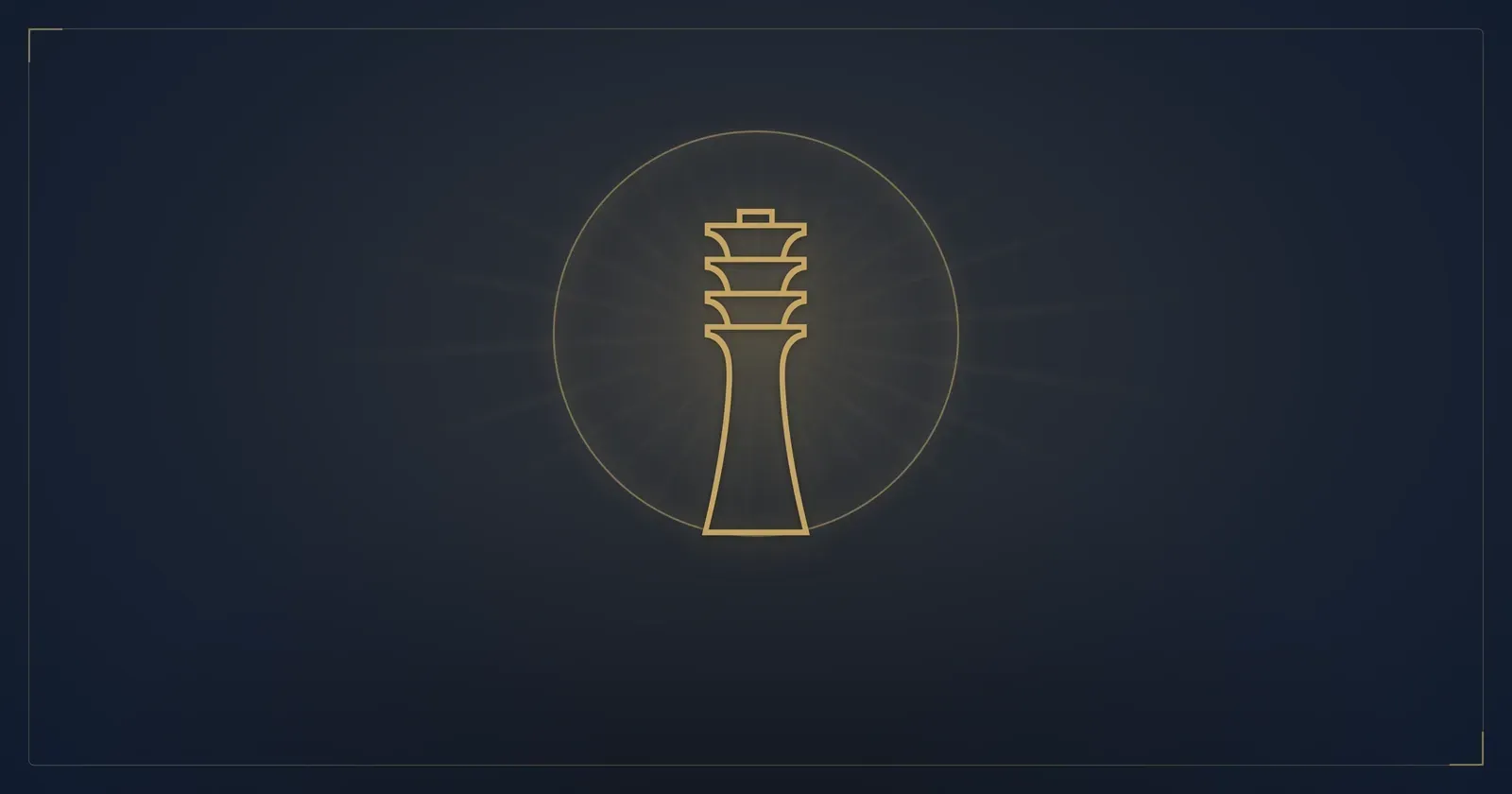
Djed Pillar
A tiered pillar meaning stability and endurance — the spine of Osiris and the power to rise after death.

Tyet
The “Knot” or “Blood of Isis” — feminine protective power, the sister-sign to the ankh.

Lotus
The blue lotus that closes at night and reopens at dawn — the sun’s daily rebirth and creation itself.

Ka
The vital spirit created at birth; after death it lived on in the tomb and received offerings.

Ba
The personality-soul, shown as a human-headed bird free to leave the tomb and return by night.

Akh
The blessed, effective spirit a person became once Ka and Ba were reunited in the afterlife.

Ib
The heart as seat of thought, will and character — weighed against Maat’s feather at judgment.

Shen
A knotted rope-circle with no beginning or end — eternity, and divine protection when it encircles a name.

Sa
A rolled papyrus shelter meaning “protection” — carried by protective deities like Bes and Taweret.

Nefer
Heart-and-windpipe sign meaning beauty, goodness and perfection; a favourite in names and jewellery.

Renpet
The notched palm-rib marking the year — time, renewal, and the counting of a reign.

Ished Tree
The sacred persea on which the gods wrote the king’s name and years — destiny and eternal knowledge.

Wadj Scepter
A green papyrus staff meaning flourishing, youth and vitality — the freshness of new growth.

Heka
The animating force of magic itself — the power that made symbols, words and rituals effective.

Nun
The dark, infinite waters of chaos from which all creation first emerged — potential before form.

Menat
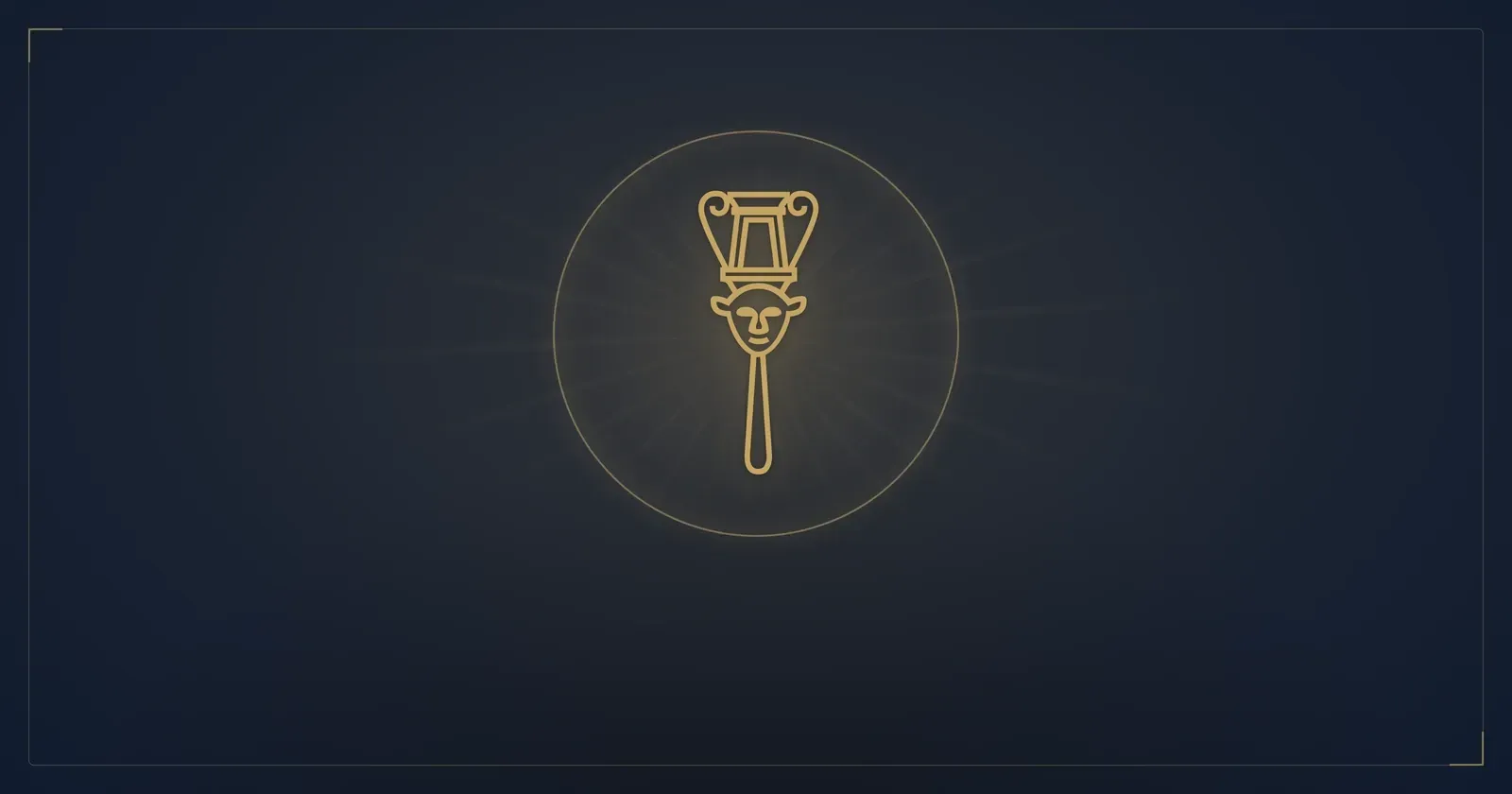
A heavy beaded necklace-counterpoise carrying Hathor’s power of joy, fertility and healing.

Sistrum
A ritual rattle shaken for Hathor — its sound drove out chaos and pleased the gods.

Feather of Maat
The ostrich feather of Maat — truth, justice and cosmic order; the counterweight in the judgment of the dead.

Benben
The first land to rise from Nun — the model for pyramids and the tip of every obelisk.
Protection, Amulets & Rebirth
More Egyptian symbols were made to protect than for any other purpose. The Eye of Horus healed and warded off harm; the scarab and shen ring guarded body and name; the tyet shielded with the power of Isis. Worn as amulets by everyone from pharaoh to farmer, these were the signs Egyptians reached for in daily life. Travellers often ask which was the Egyptian symbol for peace — there was no single one, but the feather of Ma’at (truth and balance) and the lotus (renewal) come closest.

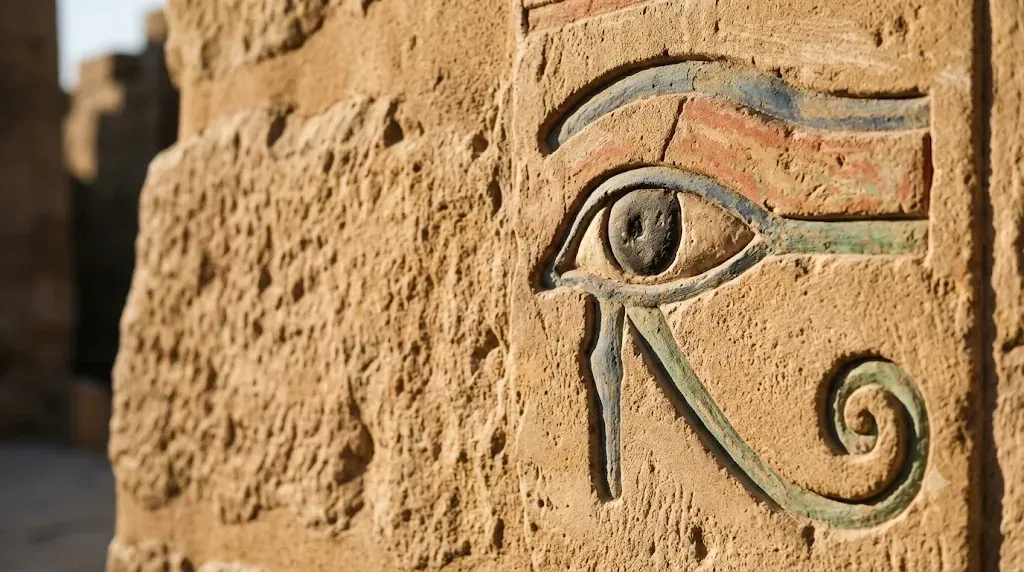
Eye of Horus
The restored eye of Horus — protection, healing and wholeness; the most worn amulet in Egypt.

Eye of Ra
The fierce, feminine solar eye — Ra’s destructive power sent out to punish his enemies.

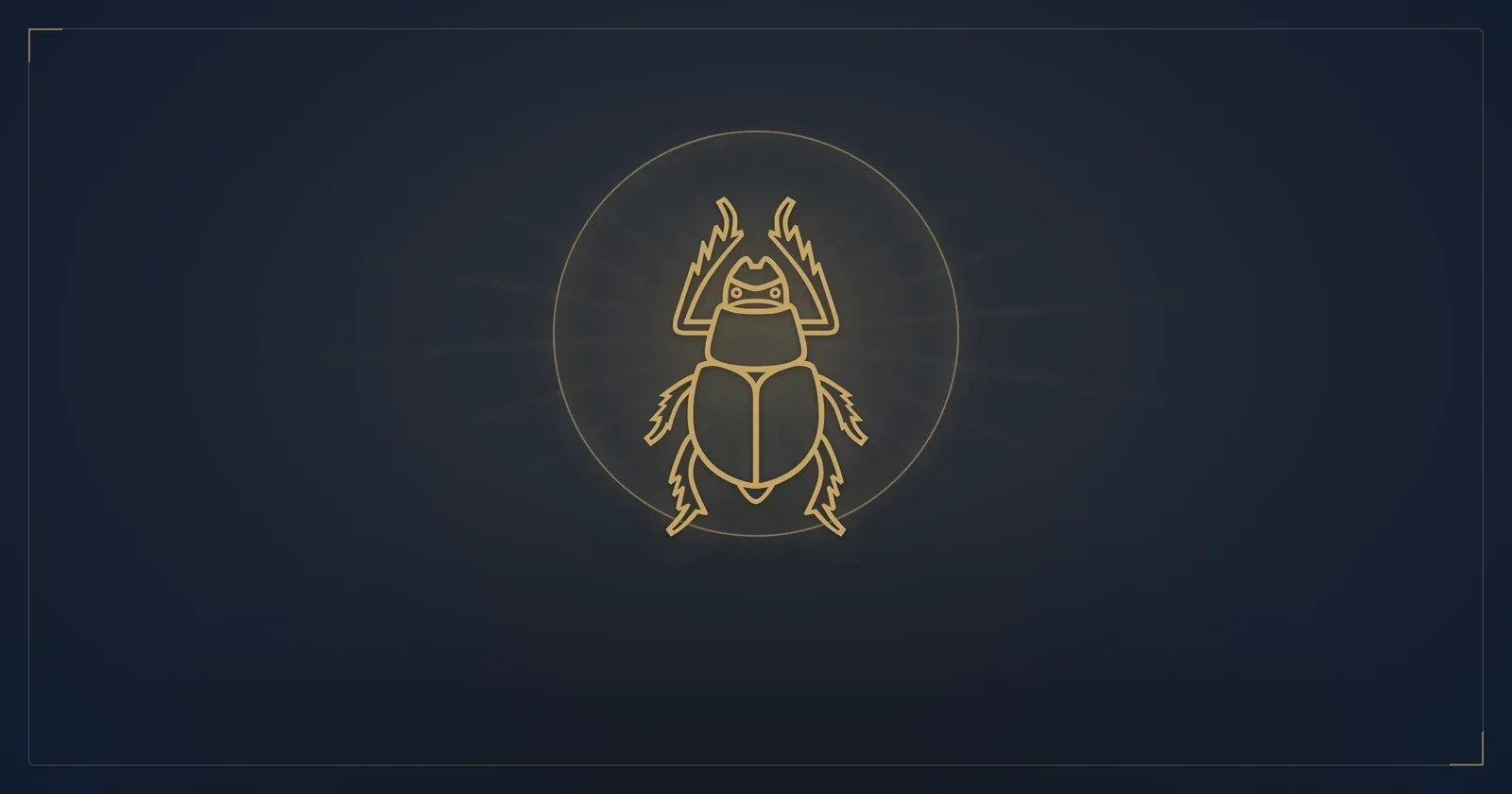
Scarab
The dung beetle that rolls the sun into being each dawn — rebirth, transformation and self-creation.

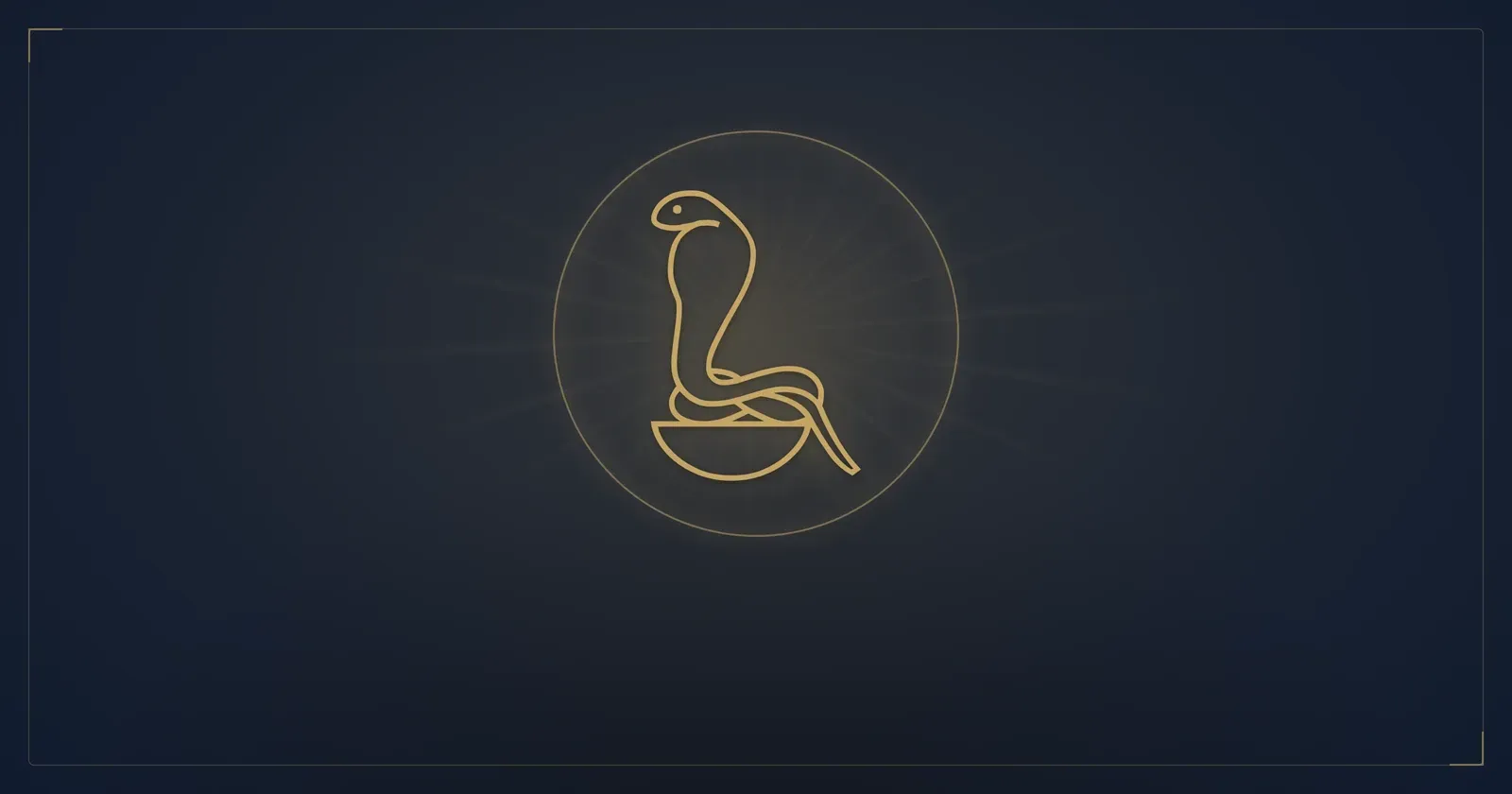
Uraeus
The cobra rising on the king’s brow, spitting fire at his enemies — sovereignty and divine protection.

Wadjet Cobra
The cobra-goddess of Lower Egypt — one of the “Two Ladies” who protected the king.

Nekhbet Vulture
The vulture-goddess of Upper Egypt — the second “Lady,” shown spreading wings over the pharaoh.

Bes
The grinning dwarf-god who guarded homes, mothers and children and drove off evil spirits.
Taweret
The hippopotamus-goddess protecting pregnancy and childbirth — fierce love in amulet form.
Heart Scarab
A large scarab placed over the mummy’s heart, inscribed with a spell so it would not betray its owner at judgment.

Winged Scarab
The scarab given falcon wings — pectoral amulet uniting rebirth with the protective power of flight.

Frog (Heqet)
The frog-goddess of the Nile flood and childbirth — abundance, fertility and new life.

Fish Amulet
The nekhau fish worn in children’s hair to stop them drowning in the Nile — everyday protective magic.

Two Fingers
Two fingers of obsidian placed on the mummy — the fingers Horus used to help Osiris climb to the sky.

Serpent Head
A red carnelian serpent-head amulet to protect the wearer, living or dead, from snakebite.

Cowrie Shell
Cowrie-shaped girdle amulets worn low on the hips to guard the womb and fertility.

Aegis
A broad protective collar topped by a deity’s head — shown on sacred barques and temple prows.

Papyrus Amulet
A green papyrus-column amulet giving the freshness and eternal renewal of the marsh reed.

Headrest Amulet
A miniature headrest tucked into the mummy wrappings to raise the head at dawn — sleep and death were one descent, and waking the resurrection.

Ba-Bird Amulet
A human-headed bird placed with the dead so the Ba could leave and return to the tomb at will.

Pataikos
A dwarf form of Ptah worn as an amulet to trample and defeat dangerous creatures.
Royal & Pharaonic Power
These are the symbols of the pharaoh : the crook and flail , the was scepter — the Egyptian symbol of power and dominion — the uraeus cobra on the crown, the double crown of the Two Lands, and the cartouche that ringed the royal name. Gold itself — nebu — was the flesh of the gods. Together they were the symbols of power in ancient Egypt : signs a ruler wore, held, and was buried with, so that anyone who saw them knew a god-king had passed.

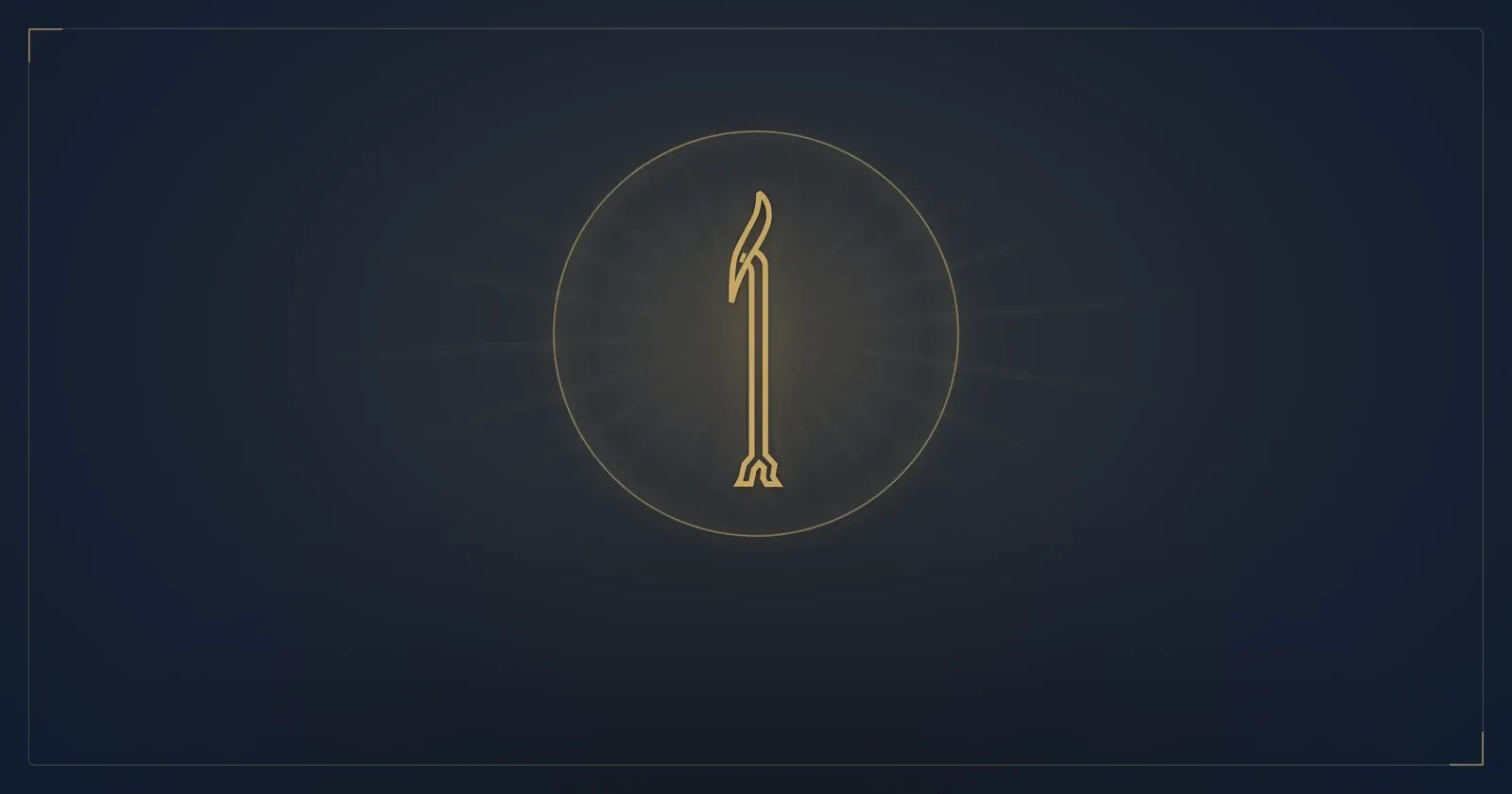
Was Scepter
A forked staff topped by a Set-animal head — the power and dominion of gods and kings over chaos.

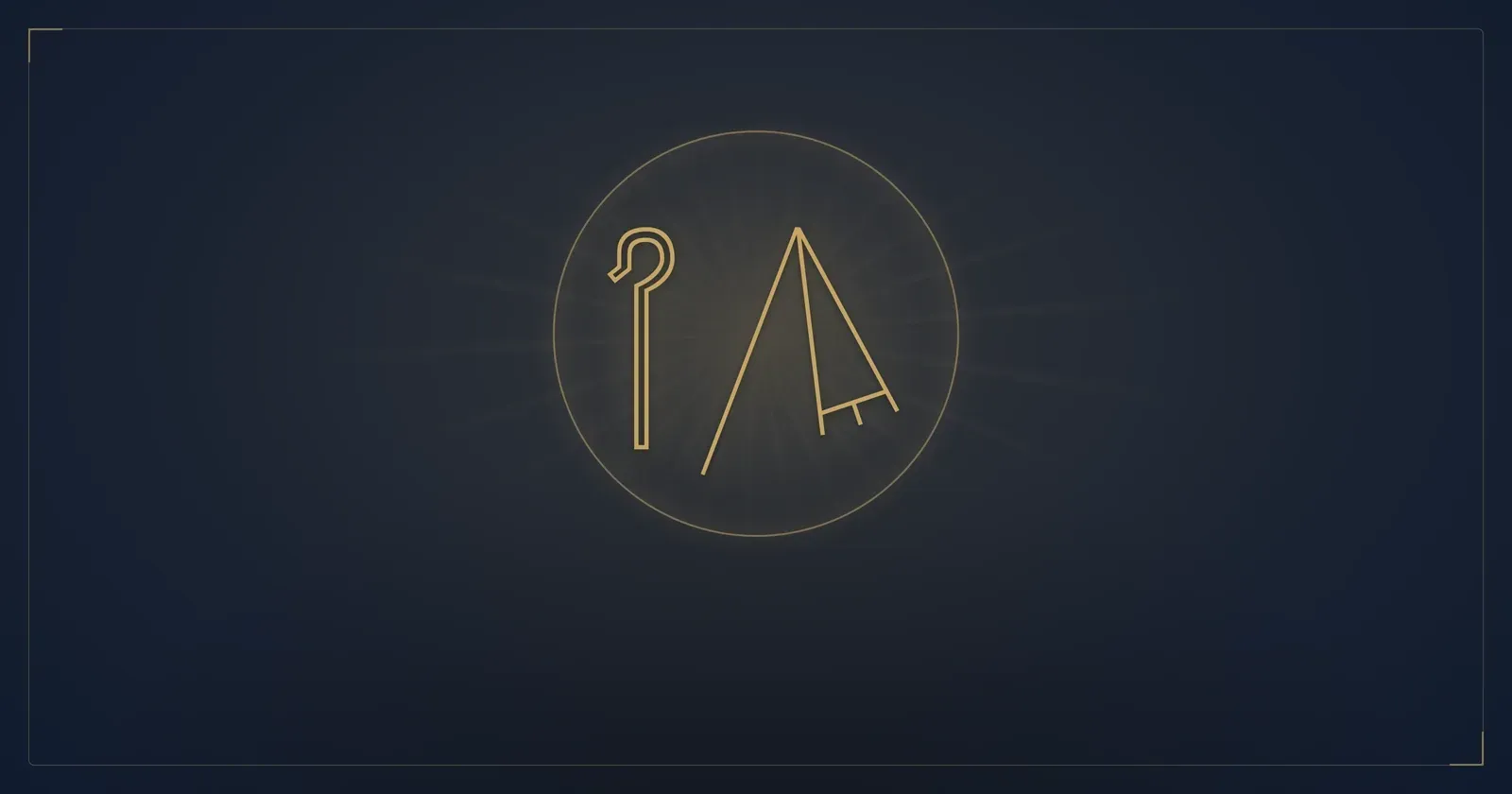
Crook (Heka)
The shepherd’s staff — the pharaoh’s duty to guide and protect his people like a flock.

Flail (Nekhakha)
The threshing-flail paired with the crook — the king’s power to provide and to punish.

Sekhem Scepter
A plain staff whose name simply means “power” — raised to consecrate offerings and command.

Hedjet
The tall white crown of Upper Egypt — purified authority over the Nile Valley.

Deshret
The red crown of Lower Egypt — dominion over the Delta and its fertile marshlands.

Pschent
Red and white combined — the single symbol of a unified Egypt under one pharaoh.

Atef
The white crown flanked by ostrich plumes and a sun disk — divine rulership of the afterlife.

Khepresh
The blue leather crown worn by New Kingdom pharaohs in battle and ceremony.
Nemes
The striped cloth headcloth of kingship — the form immortalised on Tutankhamun’s golden mask.

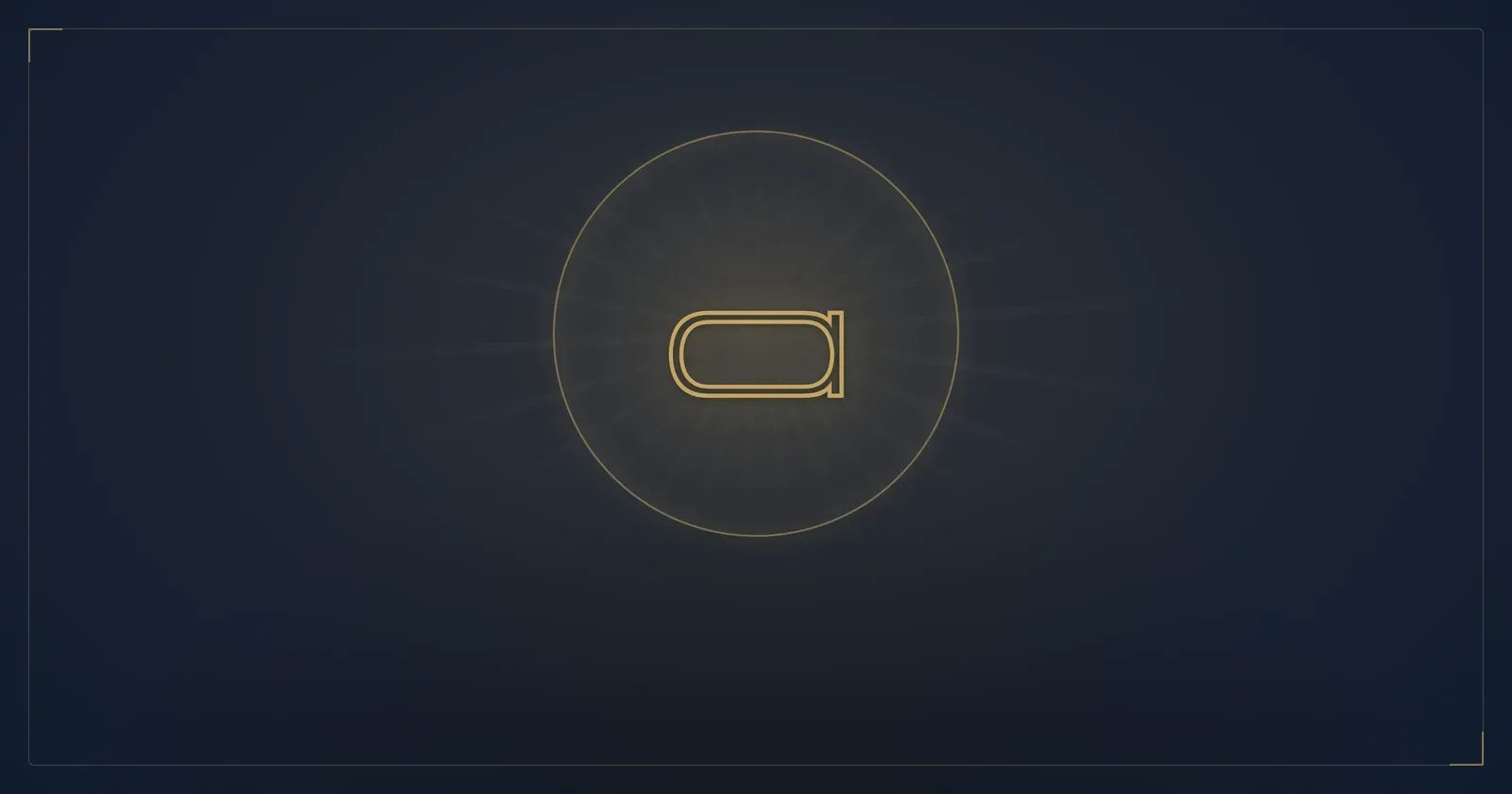
Cartouche
An elongated shen-ring enclosing a royal name — magical protection for the king’s identity forever.

Sema-Tawy
Lotus and papyrus knotted around a windpipe — the binding of Upper and Lower Egypt into one.

Nebty (Two Ladies)
Vulture and cobra together — the twin goddesses protecting the united kingship.
Nesu-Bit
The sedge and bee — the title “He of the Sedge and Bee,” king of Upper and Lower Egypt.

Serekh
A palace-facade panel holding the king’s earliest name — the pre-cartouche mark of the first dynasties.

Gold of Honour
The shebyu collar of gold given by the king to reward his greatest officials.

Royal False Beard
The long plaited beard tied on by kings — and, curving forward, by gods — marking divine status.

Ostrich Fan
Great feather fans carried behind the pharaoh — shade, breath and sacred presence.

Sed-Festival Kiosk
The double pavilion of the Sed festival, where an aged king ritually renewed his power to rule.

Rekhyt Lapwing
A lapwing with bound wings — the subjects of Egypt, shown adoring the king from temple bases.
Gods, Sky & Cosmos
Every major symbol pointed to a god, and this group holds the signs of the divine and the heavens: the sun disk of Ra and the Aten , the winged sun , the Bennu bird, the star (seba) and the sky-goddess Nut , and the horizon (akhet) where the sun was reborn. Here too are the Egyptian goddess symbols — the cow and sistrum of Hathor, the tyet of Isis — and the signs for the earth and the cosmic order. Learn these and you can read the symbol of the Egyptian gods on almost any temple wall.

Winged Sun
A sun disk with outstretched falcon wings — divine protection, placed over temple doorways.

Sun Disk (Aten/Ra)
The disk of the sun — Ra, source of all life; under Akhenaten, the Aten with rays ending in hands.

Seba
A star marking the souls of the dead and the star-gods — learning, guidance and the night sky.

Akhet
The sun rising between two peaks — the daily rebirth of light and the threshold of the afterlife.

Sopdet (Sirius)
The goddess of the star Sirius, whose dawn rising after weeks unseen announced the Nile flood and opened the Egyptian new year.

Djew
The twin-peaked mountain — the edges of the world and the realm the sun passes through at night.

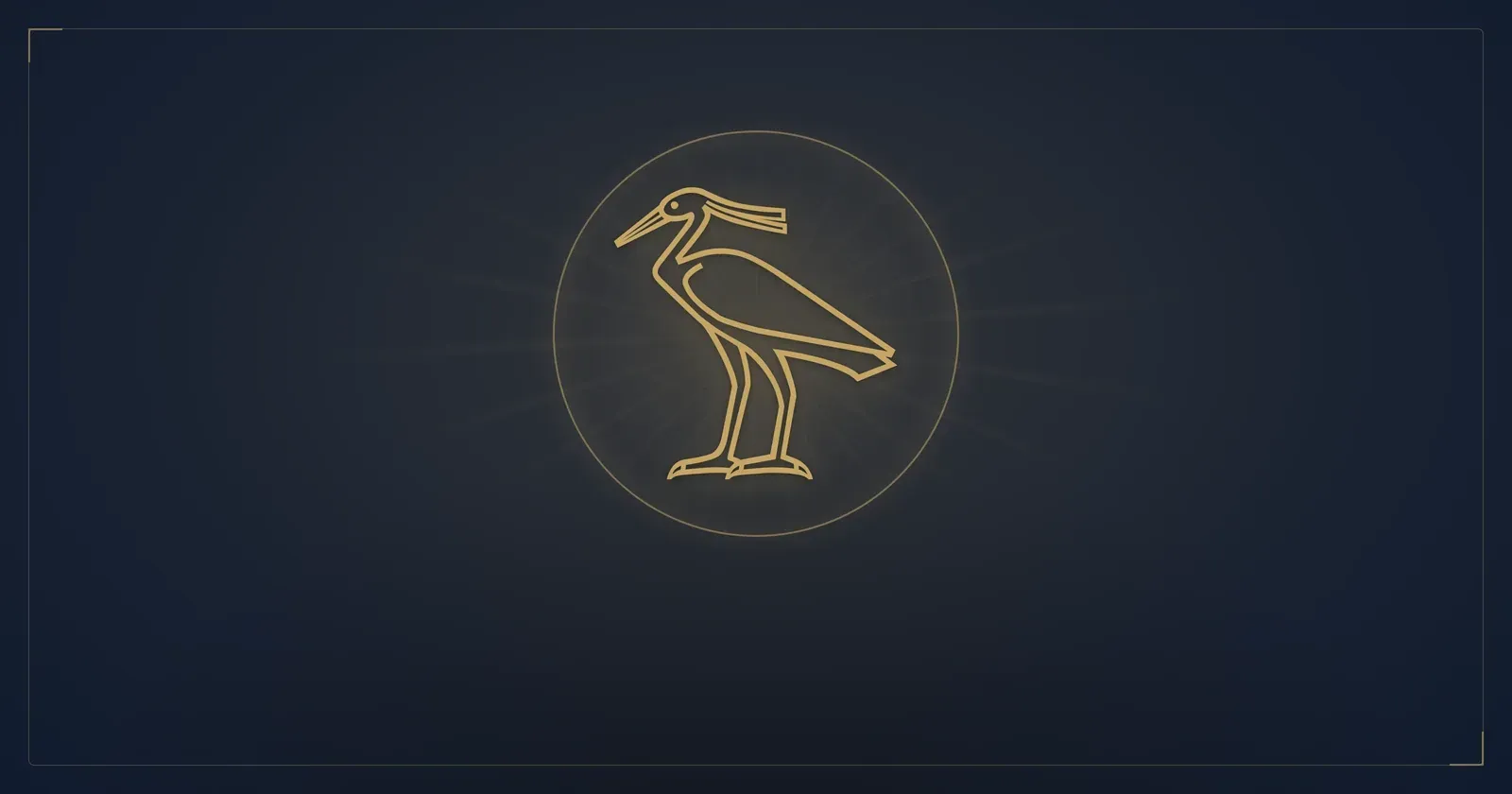
Bennu
A heron that renewed itself with the rising sun at Heliopolis — the original of the phoenix, and a symbol of resurrection and time.

Solar Barque
The boat in which Ra sails across the sky by day and battles chaos through the underworld by night.

Iah (Crescent)
The crescent moon of Iah, Khonsu and Thoth — the lunar cycle, timekeeping and healing.

Nut
The goddess arched over the earth, swallowing the sun each dusk and giving birth to it at dawn.

Netjer
The wrapped cloth-on-a-pole hieroglyph that simply writes the word “god.”

Horus Falcon
The falcon of Horus — the living king, the sky, and the far-seeing eye of the sun and moon.

Ibis of Thoth
The ibis of Thoth — the moon, wisdom, writing and the invention of hieroglyphs themselves.

Anubis Jackal
The black jackal of embalming — protector of the necropolis and guide through the underworld.

Ram of Amun
The curved-horn ram of Amun and Khnum — creation, fertility and the hidden force of the god.

Hathor Cow
The cow of Hathor — love, music, motherhood and the sky that carries the sun between her horns.

Sekhmet Lioness
The lioness of Sekhmet — the burning breath of the sun, bringer of plague and its cure.

Bastet Cat
The cat of Bastet — guardian of the household, of women and of joy, feared and beloved.

Set-Animal
The unidentifiable “Sha” beast of Set — the desert, storms, disorder and raw untamed power.

Sobek Crocodile
The crocodile of Sobek — the power and fertility of the Nile, feared and revered at Kom Ombo.
Ritual, Temple & the Afterlife
The last group belongs to the journey after death: the canopic jars that held the organs, the feather of Ma’at that weighed the heart, the sistrum shaken to greet the gods, the protective signs of the Book of the Dead , and the amulets laid on the mummy. These are the symbols you meet in the royal tombs of the Valley of the Kings — the densest place in Egypt to see the afterlife rendered in paint and stone.

Canopic Jars
Four jars guarding the mummified organs, each under a Son of Horus and a protective goddess.

Ushabti
A small mummiform figure that would rise and work for its owner in the afterlife when called.

False Door
A carved doorway through which the Ka passed to receive the offerings left in the tomb chapel.

Offering Table
A reed mat set with a loaf — offerings, satisfaction and the peace between the living and the dead.
Ka-Statue
A statue of the deceased kept as a permanent home for the Ka should the mummy be destroyed.

Weighing of the Heart
The scene where the heart is weighed against Maat’s feather, with Ammit waiting for the guilty.

Book of the Dead
Painted papyrus scrolls of spells buried with the dead to guide and protect them through the Duat.

Obelisk
A tall tapering shaft tipped with gold — a ray of the sun turned to stone, raised in pairs before temples.
Pyramid
The royal tomb whose sloping sides were the sun’s rays and the primordial mound — the king’s stair to the sky.

Naos Shrine
The sealed innermost shrine holding a god’s cult statue — the holy-of-holies at a temple’s heart.

Sacred Barque
A portable boat carried on priests’ shoulders to bear the god’s image in temple processions.

Imiut Fetish
A stuffed animal skin on a pole beside Anubis — the power of embalming and transformation.
Nebu (Gold)
The collar of gold beads meaning “gold” — the incorruptible, eternal flesh of the gods and the sun.
Heraldic Lotus & Papyrus
Lotus of the south and papyrus of the north — the heraldic plants bound to mean a united Egypt.

Censer
The arm-shaped incense burner that purified offerings, statues and sacred space with fragrant smoke.

Libation Vessel
The nemset and deshret jars used to pour purifying water in temple and funerary rites.
Djed-Raising Pillar
The physical pillar raised upright in ritual to re-erect Osiris — resurrection enacted in stone.
Papyrus Column
Bundled papyrus and lotus columns turning the temple into a stone marsh — the world at creation.

Sacred Lake
A temple lake standing for the primordial waters of Nun, used by priests for purification.

Sphinx
A lion’s body with a king’s head — solar power and royal might set to guard sacred ground.
Reading about these symbols is one thing; standing in front of them is another. Watching the morning light catch a carved cartouche in Karnak’s Hypostyle Hall, or picking your own name out of the hieroglyphs on a pendant from Khan el-Khalili, is what turns “some old carving” into this specific king’s monument.
Myth vs Reality
Myth: Egyptian symbols were just decorative designs.
Reality: Every symbol carried layered meaning — protection, power, rebirth, or divine order. Decoration without meaning was rare in sacred spaces.
Myth: Each symbol had one fixed meaning.
Reality: Meaning shifted with context, placement, colour, and combination. A scarab on a ring did not mean the same as a scarab above a tomb entrance.
Myth: Only priests understood the symbols.
Reality: Priests mastered the theology, but basic meanings were widely known. Ordinary Egyptians used symbols daily on amulets, tools, and household objects.
Myth: The symbols were mainly about death.
Reality: Most focused on life, protection, renewal, and continuity. Death was seen as a transition, not an end.
Myth: Symbols only appeared in temples and tombs.
Reality: They appeared everywhere — jewellery, furniture, cosmetics, tools, even children’s objects — reflecting how deeply symbolism shaped daily life.
Frequently Asked Questions
What are ancient Egyptian symbols and their meanings?
Ancient Egyptian symbols are visual signs used to express religious belief, social order, protection, and the nature of life and death. They were a symbolic language — not mere decoration — understood across temples, tombs, and everyday objects. Core examples: the ankh (life), the Eye of Horus (protection and healing), the scarab (rebirth), the djed (stability), and the was scepter (power).
What is the Egyptian symbol of rebirth?
Several signs carried rebirth: the scarab (the rising sun rolled into being each dawn), the lotus (which closes at night and reopens by day), the djed (rising again after death), and the Bennu bird (Egypt’s phoenix). The scarab is the one most often meant by “the Egyptian symbol of rebirth.”
What are the symbols of the pharaoh?
The pharaoh’s symbols were the crook and flail, the was scepter, the uraeus cobra worn on the brow, the double crown of Upper and Lower Egypt, and the cartouche enclosing the royal name — together the symbols of power in ancient Egypt.
What is the Egyptian symbol for gold?
Gold was written nebu and considered the flesh of the gods — an eternal, divine metal used for the most sacred images, from royal cartouches to Tutankhamun’s death mask.
Were Egyptian symbols connected to specific gods?
Many were — the Eye of Horus with Horus, the sistrum with Hathor, the tyet with Isis — but symbols often carried broader meanings beyond a single god.
How can travellers see authentic Egyptian symbols today?
Carved into temples, tomb walls, statues, and artefacts across Egypt — especially at Giza, Luxor, Karnak, Dendera, and the Valley of the Kings, where a guide can read them off the wall for you.
Turn This Guide Into an Itinerary
Our Egyptologist guides — Mahmoud Hoka in Cairo, Zenab in Luxor — have walked thousands of travellers through the temples and tombs where these symbols still survive, reading them off the wall as you go. Every tour is private and built around what you most want to see.
Explore our tour packages →See These Symbols on the Wall — With an Egyptologist
Our licensed Egyptologist guides read these signs off the temple walls at Karnak, the royal tombs of the Valley of the Kings, and the ceilings of Dendera. Every tour is private and built around what you actually want to see.
Plan Your Private Tour →
Ashraf Fares